Heater Temperature Control Tutorial
此页面有 中文 版本
当前正在浏览 English,可一键切换到你的偏好语言 中文。
Primitive Man's Heater Temperature Control
The EIO scheme only applies to version 0.5.2 and earlier, it is recommended to use the EIO-free pipeline solution provided at the end of the article
Author: @fangshuishu
1. Background
As primitive civilizations that have just completed the Steam Age, heaters are essential for both alchemy and ethylene production. However, this crucial device is not only prone to explosions but also scalds your feet. When you follow the quest book’s guidance to use a Redstone Comparator to resolve the explosion threat, you’ll find that every shutdown and restart requires the heater to consume fuel once more. Frequent start-stop cycles lead to unnecessary fuel waste. The structure introduced in this article can roughly control the heater’s operating temperature range using Redstone signals.
2. Machine Introduction
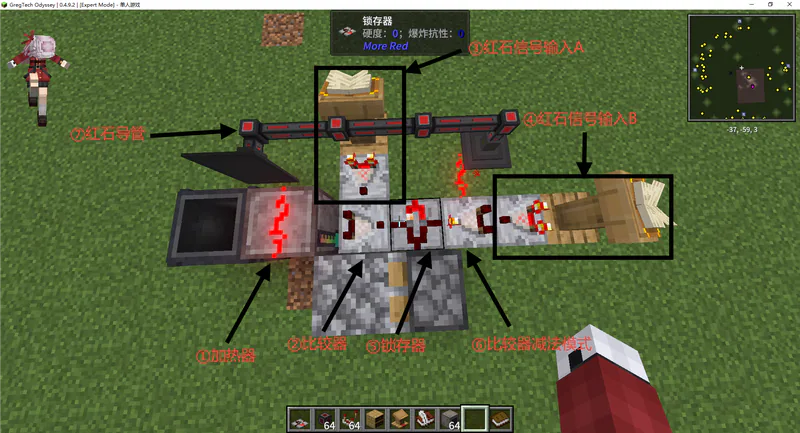
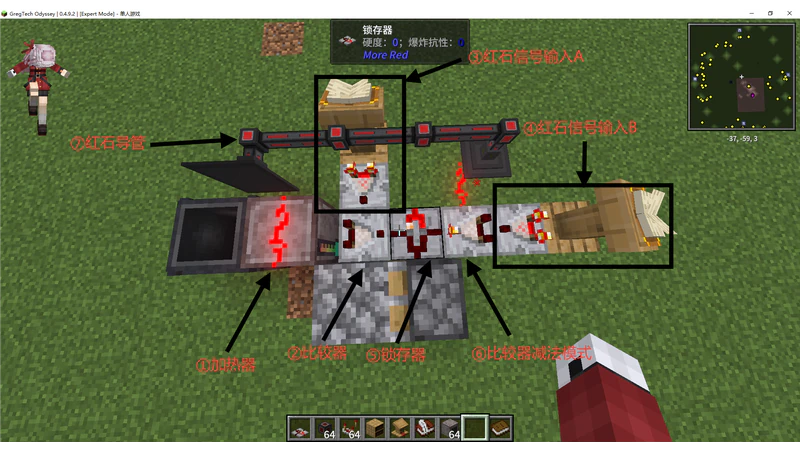
Figure 1: Temperature Control Structure Diagram
The structure is as shown in the figure, where ③ and ④ are signal inputs that can control the redstone signal strength
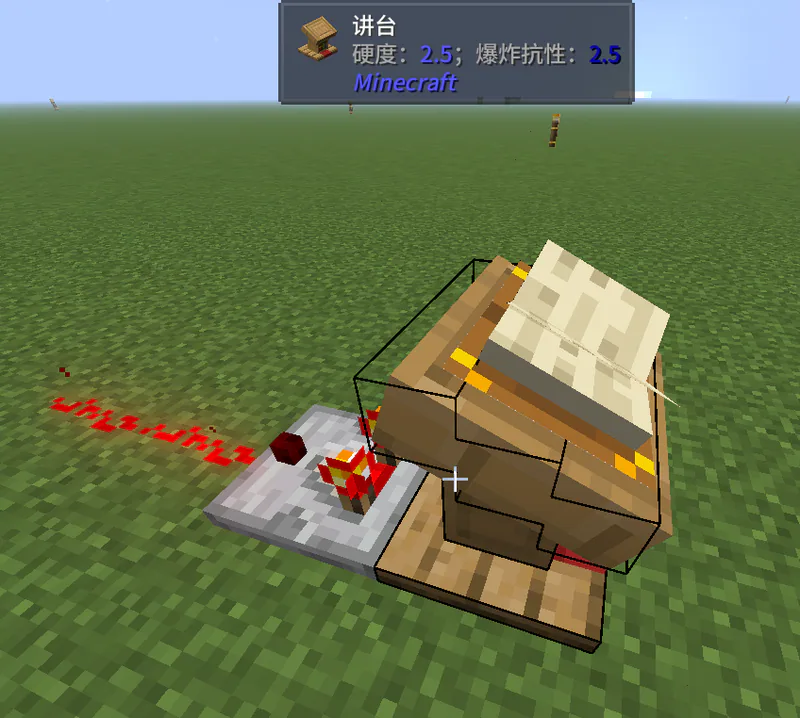
Figure 2: Signal input with adjustable redstone signal strength
According to the vanilla mechanics, when a redstone comparator is placed directly against a lectern, it will output a redstone signal of a specific strength based on the position of the open page of the book on the lectern. For example, if a book has 15 pages and is turned to page 6, the redstone comparator will output a signal strength of 6.
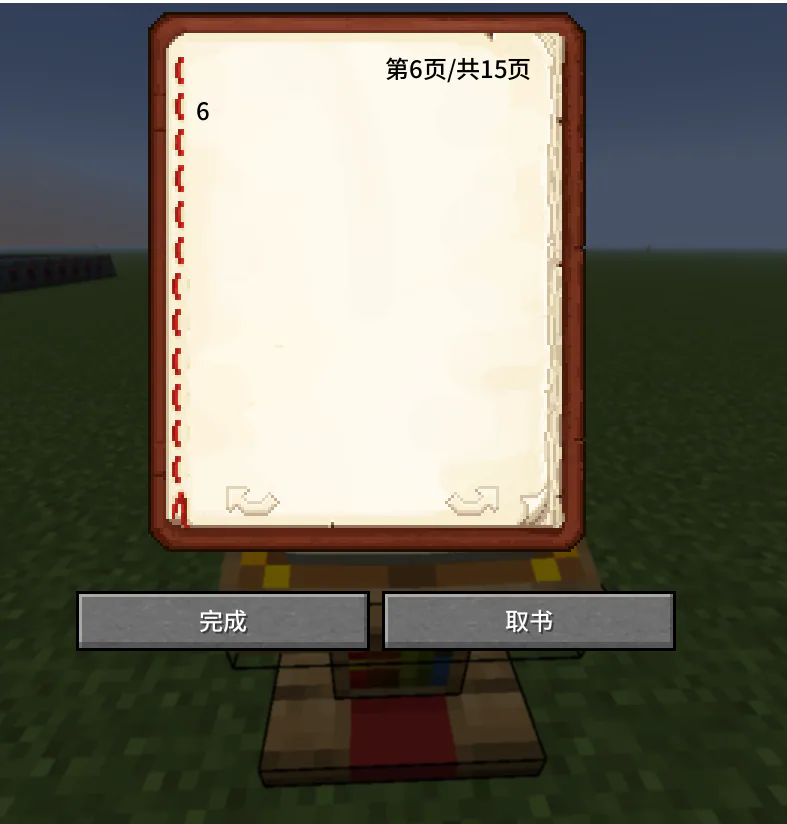
Figure 3: Redstone signal with an output strength of 6 at this time
3. Principle Introduction
The heater emits a Redstone signal based on its current temperature, ranging from 293K to 800K, with its Redstone signal strength increasing by 1 for every average 34K rise. Let the Redstone signal strength emitted by the operating heater be X; the input strength A (③) determines the machine's operating temperatureUpper limit, and the input strength B (④) determines the machine's operating temperature.Lower limit.
X is input to comparator ② from the rear, while A is input to ② from the side. If X is greater than or equal to A, ② outputs X forward to the latch ⑤; if X is less than A, ② outputs no signal.
Comparator ⑥ uses subtraction mode. X is losslessly transferred to the side of ⑥ via the Redstone conduit ⑦, and B is input to ⑥ from the rear. ⑥ outputs a signal strength of B - X forward to ⑤; if the result is less than or equal to 0, it outputs no signal.
Latch ⑤ initially outputs a signal upward. If it receives a signal on the left, it switches to output downward, and the direction remains unchanged when the signal disappears; if it receives a signal on the right, it switches to output upward, and the direction remains unchanged when the signal disappears; if it receives signals on both sides at the same time, it outputs no signal in either direction.
4. Process Description
Taking a working temperature range of 500K~768K as an example, set A=14 and B=6 at this time.
Heating Phase: The heater activates, temperature rises, and X increases. When the temperature is below 768K, X is less than 14, and [2] outputs no signal; when the temperature is above 768K, X is greater than or equal to 14, [2] outputs X to [5]. Since [5] has an incoming signal on the left, and B-X on the right is less than 0 so there's no signal, it switches to outputting a signal downward. The sticky piston receives the signal, pushes the cobblestone, and the heater shuts down as it is blocked.
Cooling Phase: Since the latch signal disappears without altering the output, X decreases. The loss of the left input to [5] has no impact on the piston's state. The temperature continues to drop until B-X is greater than 0, the latch's right side receives a signal, the output switches to upward, the piston loses its signal, pulls the cobblestone back, and the heater resumes operation.
5. Summary
Thanks to the expert who told me about latches, I wouldn't have thought of this without him.
Heater, that's easy!
A cheaper option
If you think the aforementioned scheme is still too expensive: between crafting lecterns, building comparators, and dealing with the modded setup where even a single stone pressure plate requires nested contraptions, plus having to either get nether quartz in the Nether or via villager trades, this entire setup ends up being more expensive than you’d expect. You might ask: "I just want to smelt coal slurry and polyethylene, and I don’t care about structural compactness or temperature control flexibility — is there a more cost-effective solution?"
Some guys, some, please refer to @void's solution
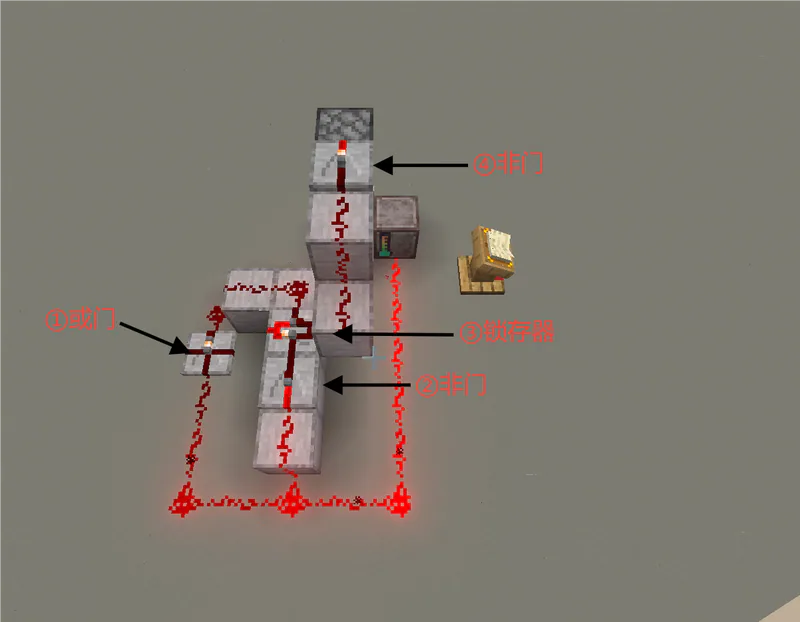
Figure 4: Cheaper temperature control solution (Range: 596K~700K)
The setup is shown in the diagram. All redstone components use More Red components. The total cost only requires a few polished stones, sticks, and redstone dust. The most expensive material for this structure is probably the slime balls for the sticky pistons (that lectern was left over and not used). It uses a total of 1 OR gate, 2 NOT gates, and 1 latch. The OR gate here can be considered a redstone repeater. This device has different redstone signal transmission distances based on signal strength, activating the ① OR gate and ② NOT gate respectively to control the signal output of the ③ latch.
Key Points
The temperature control range is actually adjustable. You can try changing the positions of ① OR gate (used as a Redstone Repeater) and the ② NOT gate adjacent to the ③ latch. The position of ① OR gate determines the upper limit of the temperature range: the farther it is from the heater, the higher the upper limit; the ② NOT gate determines the lower limit, with the lower limit being lower the closer the gate is to the heater.
Due to the nature of the latch, this device has chirality, as shown in the following figure:
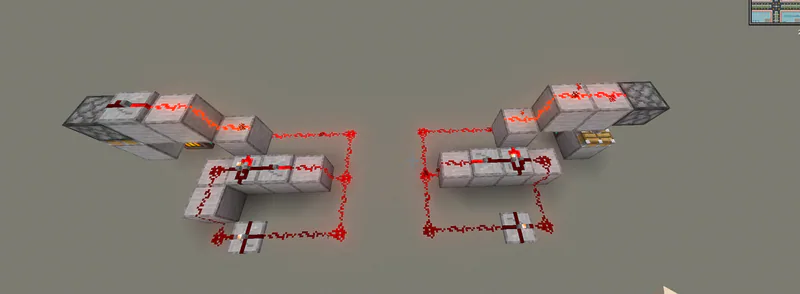
Figure 5: The difference lies in whether the NOT gate ④ before the piston exists
3. If you want to save more, you can replace the sticky piston with a regular piston to push gravity-affected blocks upward. For example: sand.