Pseudo-Synthesis-Based Automated Flocculated Water
此页面有 中文 版本
当前正在浏览 English,可一键切换到你的偏好语言 中文。
Foreword
Pseudo-synthesisis a special automation solution. The blueprint for coding this type of automation does not directly write the recipe itself, but uses other items to replace part of the materials or finished products. GTO provides an item called Order. When this item serves as the final finished product, once all required materials have been delivered, the synthesis task will automatically cancel, providing new ideas for pseudo-synthesis automation. This tutorial introduces a relatively simple automated flocculation water production concept based on pseudo-synthesis.
Automated Design
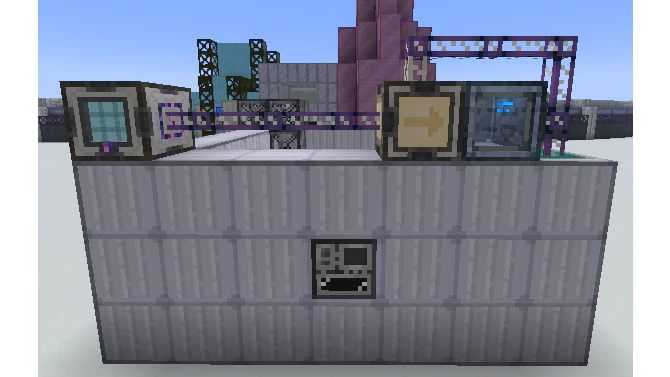
As shown in the figure, the ME output assembly facing upward is below the ME Requestor, and the ME Storage Bus is to the right of the Quantum Tank VI
Detailed Description
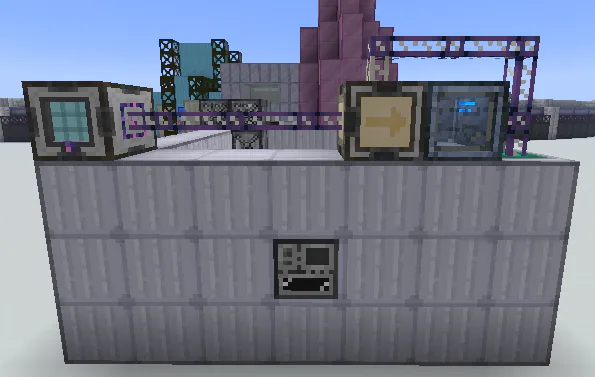
ME Requesters, output assemblies, and template suppliers are all connected to the main network. The template format in the template supplier is “Ozone Water + 10kB Polyaluminum Chloride → Order”. The ozone water volume can be set freely, the order can be marked for any item, and the ME requester will automatically request this order (you can use any requester on the main network, no need to place it near the purification setup). The ME inventory input bus will automatically pull items. If you want to increase the amount of ozone water processed in a single run, please increase the capacity of the quantum tank.
Working Principle
The requester initiates a synthesis request, automatically synthesizes the required polyaluminum chloride, and obtains the required ozone water from the network. After the polyaluminum chloride synthesis is completed, it will first send the ozone water as shown in the template. The sent ozone water enters the quantum tank, is read by the storage bus, and is also pulled by the ME inventory input bay. Since the quantum tank can only store one type of fluid, the 10kB polyaluminum chloride that is about to be sent will remain in the template supplier. After the flocculation purification device obtains the ozone water, it will start executing the recipe, which will consume the ozone water in the quantum tank, allowing the polyaluminum chloride to be input into the quantum tank, and then pulled by the inventory input bay to enter the flocculation purification device.
After the ozone water is sent, this synthesis is considered complete. The order will automatically cancel the synthesis task and synthesize the polyaluminum chloride and ozone water required for the next synthesis. After the synthesis is completed, the materials will most likely be sent while the purification device is still working. Note that the first fluid sent at this time is ozone water. The flocculation purification device will not consume the input ozone water when executing the recipe, so the ozone water will still remain in the quantum tank and will only be consumed when the next recipe starts. Only after the ozone water is consumed can the polyaluminum chloride remaining in the sample dispenser enter the quantum tank, and this cycle repeats to continuously produce flocculation water.